340645
Book
In basket
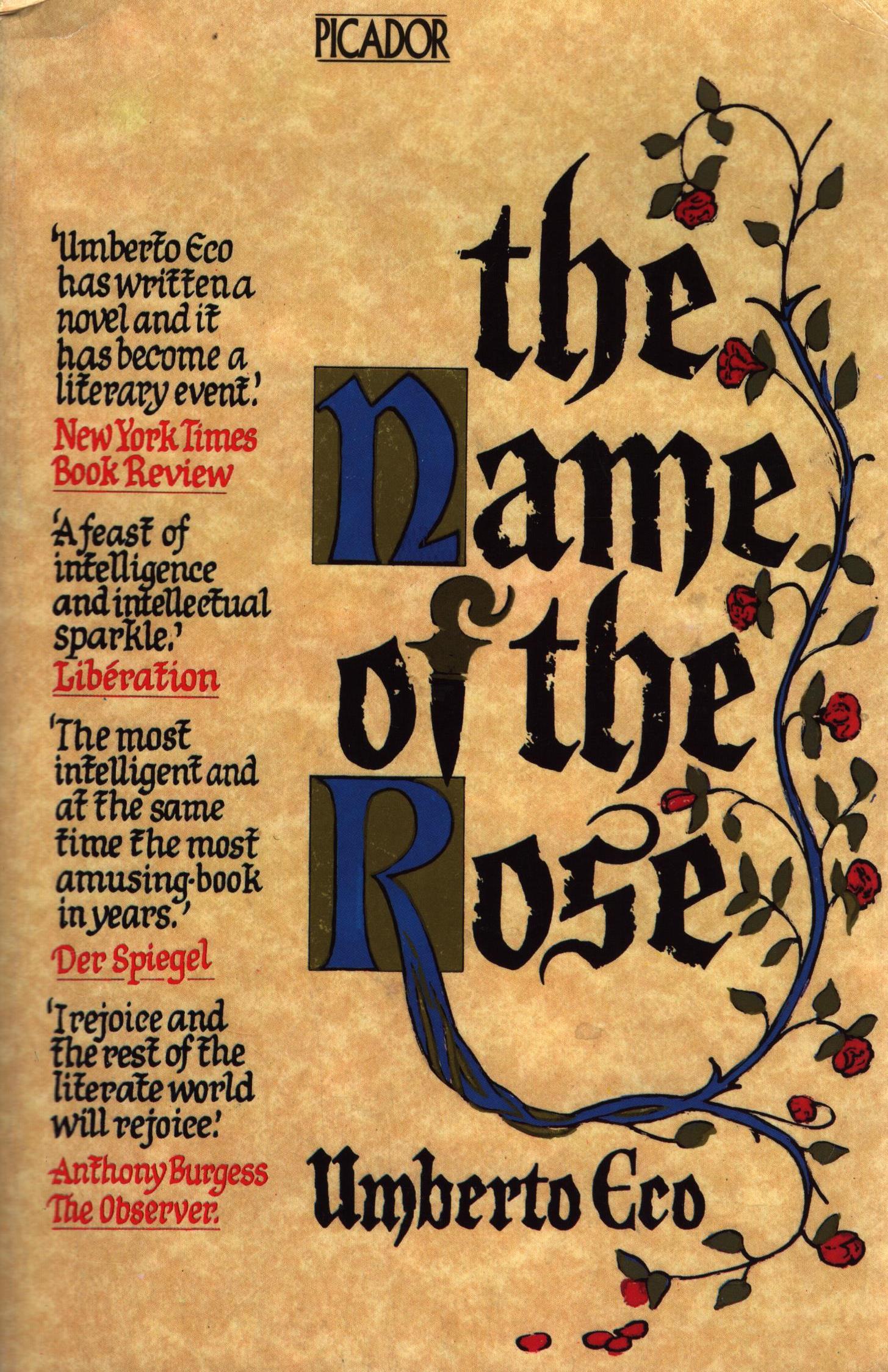
In 1980, Umberto Eco published his novel The Name of the Rose, where he implemented, on many occasions, the postmodernist technique of double-coding, addressing the text to audiences of very diverse types of perception and comprehension.
In 1327, Franciscan friar William of Baskerville and Adso of Melk, a Benedictine novice travelling under his protection, arrive at a Benedictine monastery in Northern Italy to attend a theological disputation. This abbey is being used as neutral ground in a dispute between Pope John XXII and the Franciscans, who are suspected of heresy. The monastery is disturbed by the death of Adelmo of Otranto, an illuminator revered for his illustrations. Adelmo was skilled at comical artwork, especially concerning religious matters. William is asked by the monastery's abbot, Abo of Fossanova, to investigate the death: During his enquiry he has a debate with one of the oldest monks in the abbey, Jorge of Burgos, about the theological meaning of laughter, which Jorge despises.
Availability:
Biblioteka Obcojęzyczna
There are copies available to loan: sygn. O 32229, O 3153 (2 egz.)
Notes:
General note
Na okładce: "Umberto Eco has written a novel and it has become a literary event" New York Times Book Review.
Na okładce: "A feast of intelligence and intellectual sparkle" Libération.
Na okładce: "The most intelligent abd at the same time the most amusing-book in years" Der Spiegel.
Na okładce: "I rejoice and the rest of the literate word will rejoice!" Anthony Burgess The Observer.
Awards note
Strega Prize in 1981
Prix Médicis étranger in 1985
Reviews:
The item has been added to the basket. If you don't know what the basket is for, click here for details.
Do not show it again