Sortowanie
Źródło opisu
Legimi
(2)
Katalog centralny
(1)
Forma i typ
E-booki
(2)
Książki
(1)
Proza
(1)
Dostępność
dostępne
(1)
Placówka
Biblioteka Obcojęzyczna
(1)
Autor
Condé Maryse (1934-2024)
(1)
Condé Maryse (1937- ). Evangile du nouveau monde, (eng.)
(1)
Gilman Charlotte Perkins
(1)
Philcox Richard
(1)
Raines Viye
(1)
Rok wydania
2020 - 2026
(3)
Okres powstania dzieła
2001-
(1)
Kraj wydania
Polska
(2)
Stany Zjednoczone
(1)
Język
polski
(2)
angielski
(1)
Przynależność kulturowa
Literatura karaibska
(1)
Temat
Cuda
(1)
Misje
(1)
Narodziny
(1)
Noworodek
(1)
Relacje międzyludzkie
(1)
Solidarność (postawa)
(1)
Wielkanoc
(1)
Zagrożenia duchowe
(1)
Temat: miejsce
Karaiby (region)
(1)
Gatunek
Powieść
(1)
3 wyniki Filtruj
Książka
W koszyku
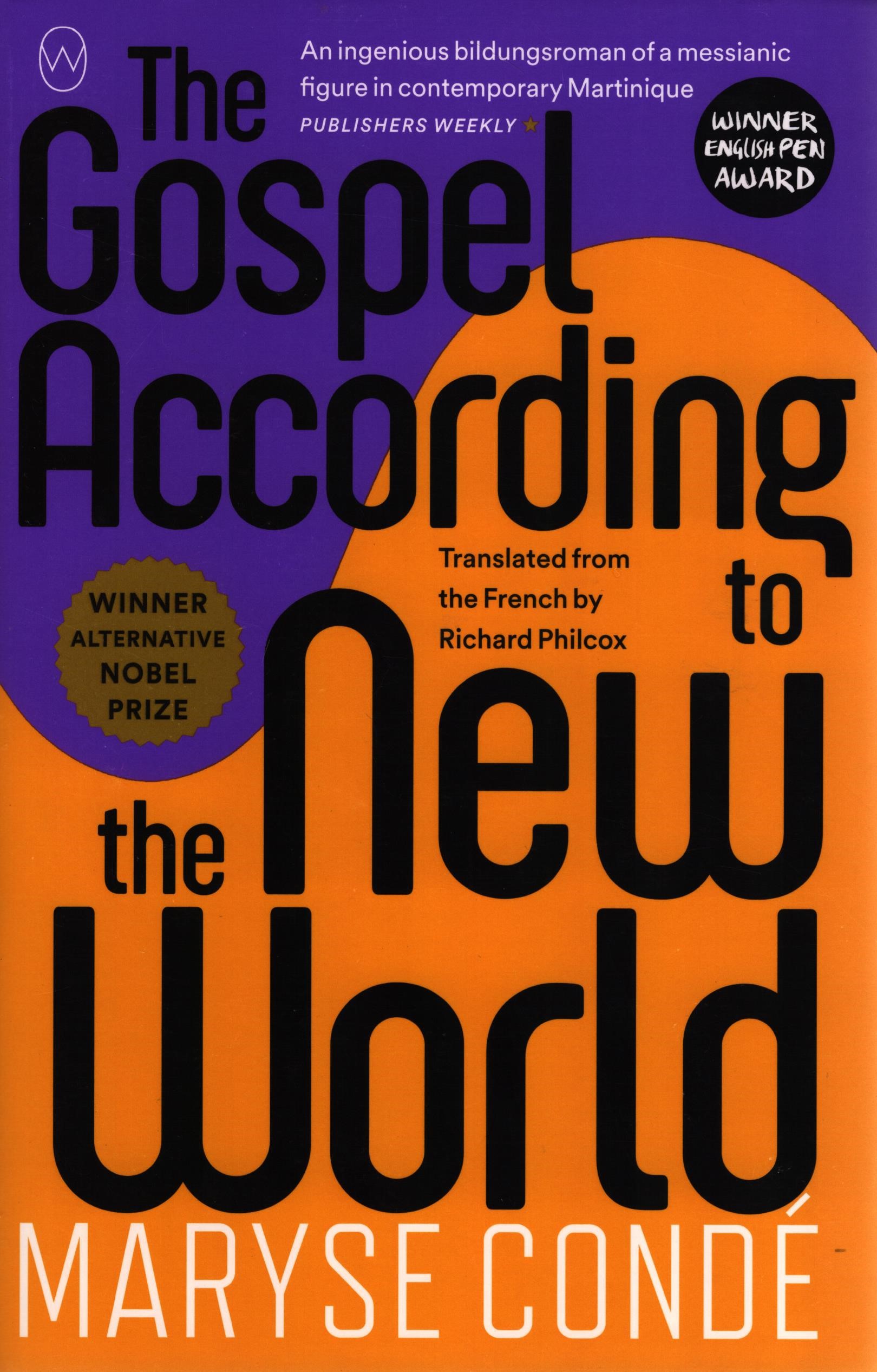
U góry okładki: Winner English Pen Award.
Na okładce: Winner Alternative Nobel Prize.
International Booker Prize 2023 - shortlisted novel
One Easter Sunday, Madame Ballandra puts her hands together and exclaims: “A miracle!”.
Baby Pascal is strikingly beautiful, brown in complexion, with gray-green eyes like the sea. But where does he come from? Is he really the child of God? So goes the rumor, and many signs throughout his life will cause this theory to gain ground.
From journey to journey and from one community to another, Pascal sets off in search of his origins, trying to understand the meaning of his mission. Will he be able to change the fate of humanity? And what will the New World Gospel reveal?
For all its beauty, vivacity, humor, and power, Maryse Condé’s latest novel is above all a work of combat. Lucid and full of conviction, Condé attests that solidarity and love remain our most extraordinary and lifesaving forces.
1 placówka posiada w zbiorach tę pozycję. Rozwiń informację, by zobaczyć szczegóły.
Biblioteka Obcojęzyczna
Są egzemplarze dostępne do wypożyczenia: sygn. O 33491 (1 egz.)
E-book
W koszyku
Edited with a new introduction by Aimee McLaughlin"The Yellow Wallpaper" by American writer Charlotte Perkins Gilman, first published in January 1892, is regarded as an important early work of American feminist literature for its illustration of the attitudes towards mental and physical health of women in the 19th century.What happens when a woman is pushed too far? Is she able to express her thoughts and feelings, or is she forced towards the expectation of behaving 'normally' again soon?A woman travels with her husband to an old colonial mansion after a nervous breakdown triggered by the birth of their child. Confined to the nursery and allowed only to breathe fresh air, eat well and rest in line with a regimented 'cure', she slowly begins to unravel at the seams. Her only distraction is writing in secret – that, and the woman she begins to see trapped inside the yellow wallpaper of the room itself.Isolated and breaking apart, she sets herself a task: to free the woman, and to become one with her temporary confinement.Charlotte Perkins-Gilman's 'The Yellow Wallpaper' presents a harrowing, disturbing account of mental stress, confinement and female turmoil - within which the only available solace can be found inside four peeling, sickly yellow walls ...Our new edition also features the sequence of poems "Woman" by Charlotte Perkins Gilman."The gothic genre offers Gilman an effective mode of diagnosing contemporary culture whilst in tandem expressing her ensuing fears and anxieties. Gilman within this novella, gothicises the domestic setting, inverting the pillars of domesticity: family, security and understanding, in turn unveiling the dangers lurking behind the familiarity of gender roles within marital relations. The intimate first-person narration of the narrative serves to enhance Gilman's exposure of the oppressive forces of a male-dominated society, as she deplores her protagonist's inferior position in her domestic arrangement. The female narrator is encumbered by masculine superiority, undoubtedly dwelling in the middle of patriarchy. Embedded within her characterisation is the subjugated role bestowed upon Victorian women. Gilman projects derangement onto a familiar literary figure ― the middle−class wife and mother ― placing the source of this madness in the inviolate sphere for dutiful women ― the home."from the new introduction to The Yellow Wallpaper by Aimee McLaughlin
Ta pozycja jest dostępna przez Internet. Rozwiń informację, by zobaczyć szczegóły.
Dostęp do treści elektronicznej wymaga posiadania kodu dostępu, który można odebrać w bibliotece.
E-book
W koszyku
Forma i typ
Viye Raines' novel The Levite's Concubine is an engrossing retelling of the most bizarre and savage chapter in the Hebrew Bible — Judges Chapter 19.Told with striking historical detail, one of the most ancient parts of the Old Testament comes alive, opening with the concubine fleeing her master and closing with the her startling and unforgettable destruction.Affecting and intimate, unrestrained and ghastly, The Levite's Concubine combines rich storytelling with an original insight into Biblical history and women's roles in a compelling time and place — about 1000 years BCE — in the land that would become Israel.Although the story told in Judges Chapter 19 is violent, it ultimately takes our attention because of its treatment of women. Not only does it feature as its central act a vicious molestation of an innocent woman, it is also a part of a religious text. This text, our Hebrew Bible, is not just central to Jewish and Christian civilisation, but also to their worship, and is held by nearly a third of the people of the planet to be spiritually significant.
Ta pozycja jest dostępna przez Internet. Rozwiń informację, by zobaczyć szczegóły.
Dostęp do treści elektronicznej wymaga posiadania kodu dostępu, który można odebrać w bibliotece.
Pozycja została dodana do koszyka. Jeśli nie wiesz, do czego służy koszyk, kliknij tutaj, aby poznać szczegóły.
Nie pokazuj tego więcej