Sortowanie
Źródło opisu
Katalog centralny
(1)
Forma i typ
Książki
(1)
Proza
(1)
Dostępność
dostępne
(1)
Placówka
Biblioteka Obcojęzyczna
(1)
Autor
Cook Elene
(1)
Cook Guy
(1)
Dostojewski Fiodor (1821-1881)
(1)
Rok wydania
1980 - 1989
(1)
Okres powstania dzieła
1801-1900
(1)
Kraj wydania
Rosja
(1)
Język
rosyjski
(1)
Przynależność kulturowa
Literatura francuska
(1)
Temat
Etyka
(1)
Kara pozbawienia wolności
(1)
Więźniowie
(1)
Wolność
(1)
Gatunek
Powieść
(1)
1 wynik Filtruj
Książka
W koszyku
(Selected Works)
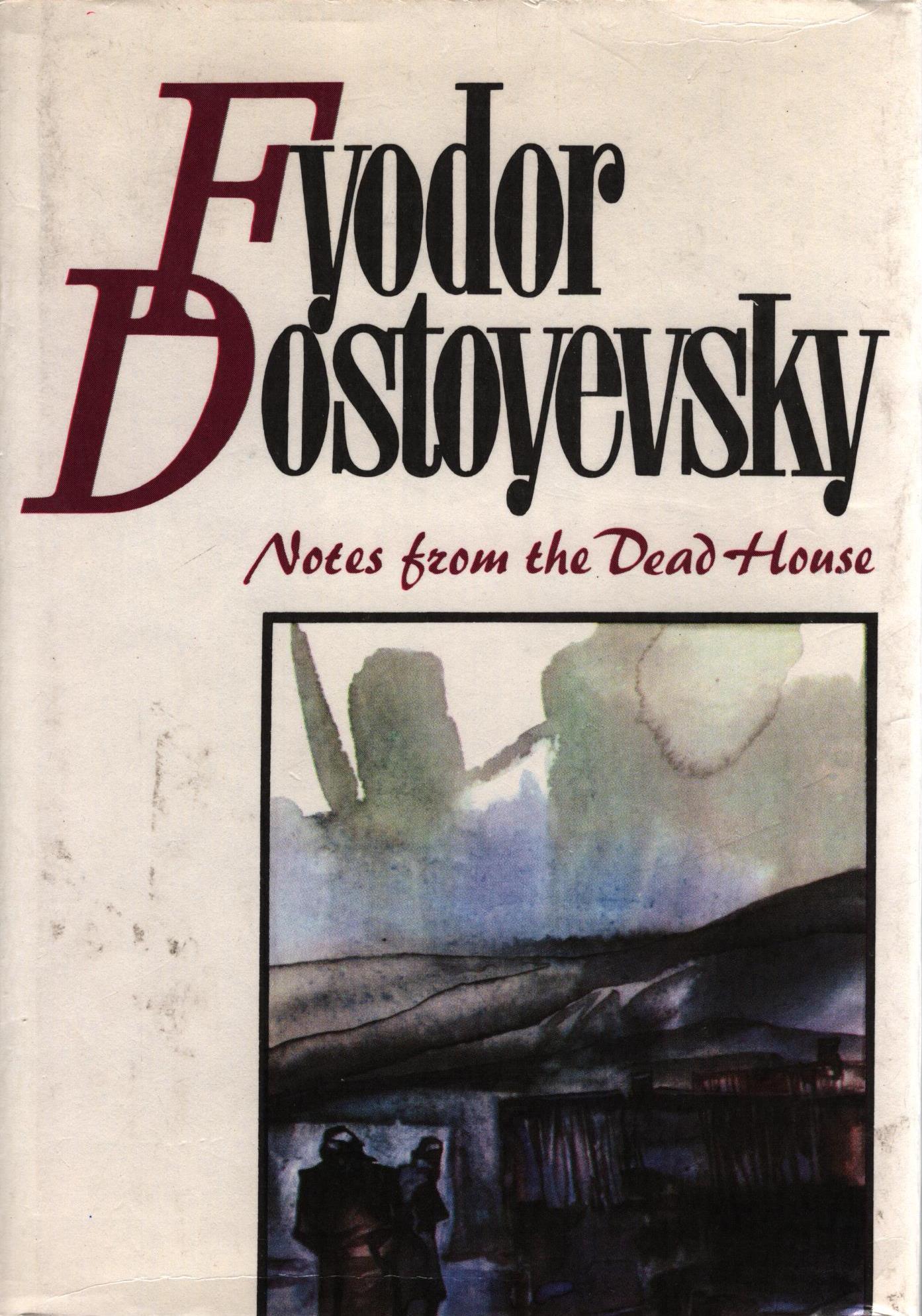
In 1849, Dostoevsky was sentenced to four years at hard labor in a Siberian prison camp for participating in a socialist discussion group. The novel he wrote after his release, based on notes he smuggled out, not only brought him fame, but also founded the tradition of Russian prison writing. Notes from a Dead House (sometimes translated as The House of the Dead) depicts brutal punishments, feuds, betrayals, and the psychological effects of confinement, but it also reveals the moments of comedy and acts of kindness that Dostoevsky witnessed among his fellow prisoners. To get past government censors, Dostoevsky made his narrator a common-law criminal rather than a political prisoner, but the perspective is unmistakably his own. His incarceration was a transformative experience that nourished all his later works, particularly Crime and Punishment. Dostoevsky’s narrator discovers that even among the most debased criminals there are strong and beautiful souls. His story is, finally, a profound meditation on freedom: “The prisoner himself knows that he is a prisoner; but no brands, no fetters will make him forget that he is a human being.”
1 placówka posiada w zbiorach tę pozycję. Rozwiń informację, by zobaczyć szczegóły.
Biblioteka Obcojęzyczna
Są egzemplarze dostępne do wypożyczenia: sygn. O 27931 (1 egz.)
Pozycja została dodana do koszyka. Jeśli nie wiesz, do czego służy koszyk, kliknij tutaj, aby poznać szczegóły.
Nie pokazuj tego więcej