Sortowanie
Źródło opisu
Legimi
(64)
Katalog centralny
(6)
Forma i typ
E-booki
(64)
Książki
(6)
Publikacje dydaktyczne
(4)
Publikacje fachowe
(3)
Dostępność
dostępne
(6)
Placówka
Wypożyczalnia Główna
(1)
Biblioteka Obcojęzyczna
(5)
Autor
Europe Council of
(16)
Collective
(9)
Barrett Martyn
(3)
Gomes Rui
(3)
l'Europe Conseil de
(3)
Clark Marilyn
(2)
Kerr David
(2)
Ragazzi Francesco
(2)
Richardson Janice
(2)
Whyatt Sara
(2)
Andreotti Onur
(1)
Camilleri Antoinette Grima
(1)
Camilleri Mario
(1)
Carmona Sarah
(1)
Collectif
(1)
Coste Daniel (1940- )
(1)
Friedewald Michael
(1)
Gaspar Alberto
(1)
Gorman Jamie
(1)
Heyworth Frank
(1)
Ingvarsdóttir Hafdís
(1)
Jackson Robert
(1)
Jones Barry
(1)
Keen Ellie
(1)
Komorowska Hanna (1946- )
(1)
Latour Agata de
(1)
Leja Helena
(1)
Lenz Claudia
(1)
Martyniuk Waldemar (1956- )
(1)
McBride Jeremy
(1)
McGonagle Tarlach
(1)
Neuburg Renate
(1)
North Brian
(1)
O’Flaherty Michael
(1)
Paddison Nik
(1)
Pandea Anca-Ruxandra
(1)
Piñal Teresa Martinez del
(1)
Pla Francesc
(1)
Poór Zoltán
(1)
Pálos Ildikó
(1)
Schindler Ilse
(1)
Schneider Annette
(1)
Sheils Joseph
(1)
Sicilianos Linos-Alexandre
(1)
Sollars Valerie
(1)
Trim John
(1)
Rok wydania
2020 - 2026
(46)
2010 - 2019
(18)
2000 - 2009
(6)
Okres powstania dzieła
2001-
(5)
Kraj wydania
Polska
(65)
Francja
(4)
Belgia
(1)
Język
polski
(65)
angielski
(5)
Odbiorca
Nauczyciele
(2)
6-8 lat
(1)
9-13 lat
(1)
Dzieci
(1)
Temat
Nauczanie języków obcych
(2)
Anegdoty
(1)
Cyberkultura
(1)
Europejczycy
(1)
Internauci
(1)
Internet
(1)
Języki
(1)
Kompetencje kulturowe
(1)
Kompetencje międzykulturowe
(1)
Komunikacja elektroniczna
(1)
Komunikacja interpersonalna
(1)
Ludy i narody
(1)
Metody nauczania
(1)
Mniejszości narodowe
(1)
Nauczycielki i nauczyciele
(1)
Polityka
(1)
Rada Europy
(1)
Strategie uczenia się
(1)
Uczennice i uczniowie
(1)
Uczniowie szkół podstawowych
(1)
Unia Europejska (UE)
(1)
Temat: miejsce
Europa
(1)
Kraje Unii Europejskiej
(1)
Gatunek
Publikacje fachowe
(3)
Materiały konferencyjne
(1)
Poradniki dla nauczycieli
(1)
Dziedzina i ujęcie
Edukacja i pedagogika
(3)
Informatyka i technologie informacyjne
(1)
Kultura i sztuka
(1)
70 wyników Filtruj
Książka
W koszyku
1 placówka posiada w zbiorach tę pozycję. Rozwiń informację, by zobaczyć szczegóły.
Biblioteka Obcojęzyczna
Są egzemplarze dostępne do wypożyczenia: sygn. O 17349, O 17350 (2 egz.)
Książka
W koszyku
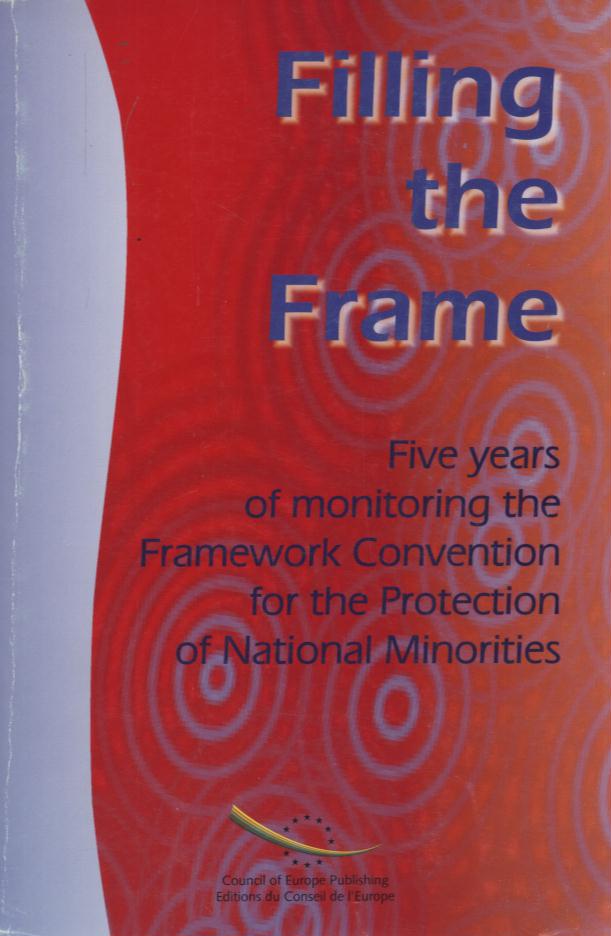
Francuska edycja: "Du contour au contenu : cinq années de suivi de la Convention-cadre pour la protection des minorités nationales".
1 placówka posiada w zbiorach tę pozycję. Rozwiń informację, by zobaczyć szczegóły.
Wypożyczalnia Główna
Są egzemplarze dostępne do wypożyczenia: sygn. DWPN 165 (1 egz.)
Książka
W koszyku
1 placówka posiada w zbiorach tę pozycję. Rozwiń informację, by zobaczyć szczegóły.
Biblioteka Obcojęzyczna
Są egzemplarze dostępne do wypożyczenia: sygn. O 28462 (1 egz.)
Książka
W koszyku
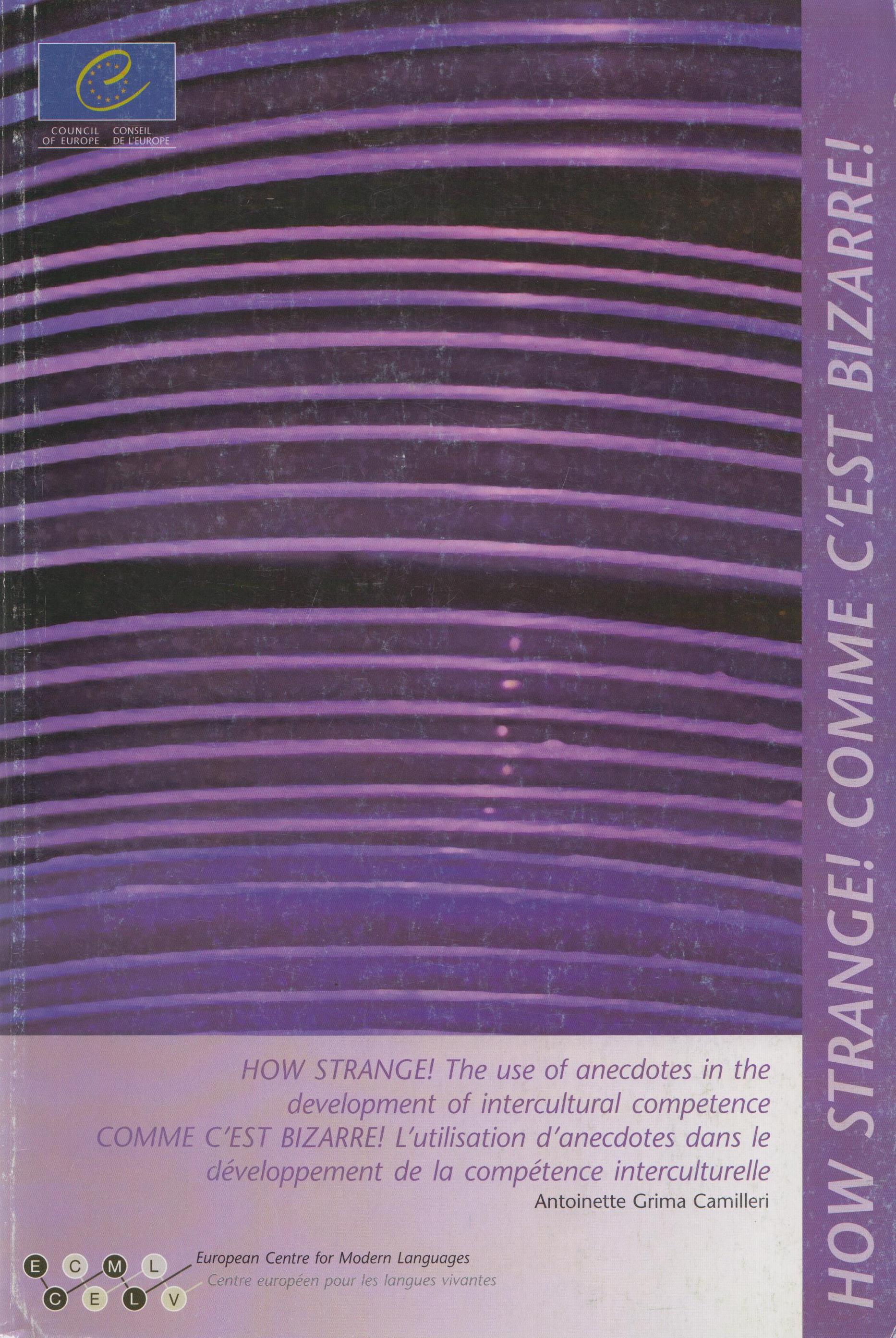
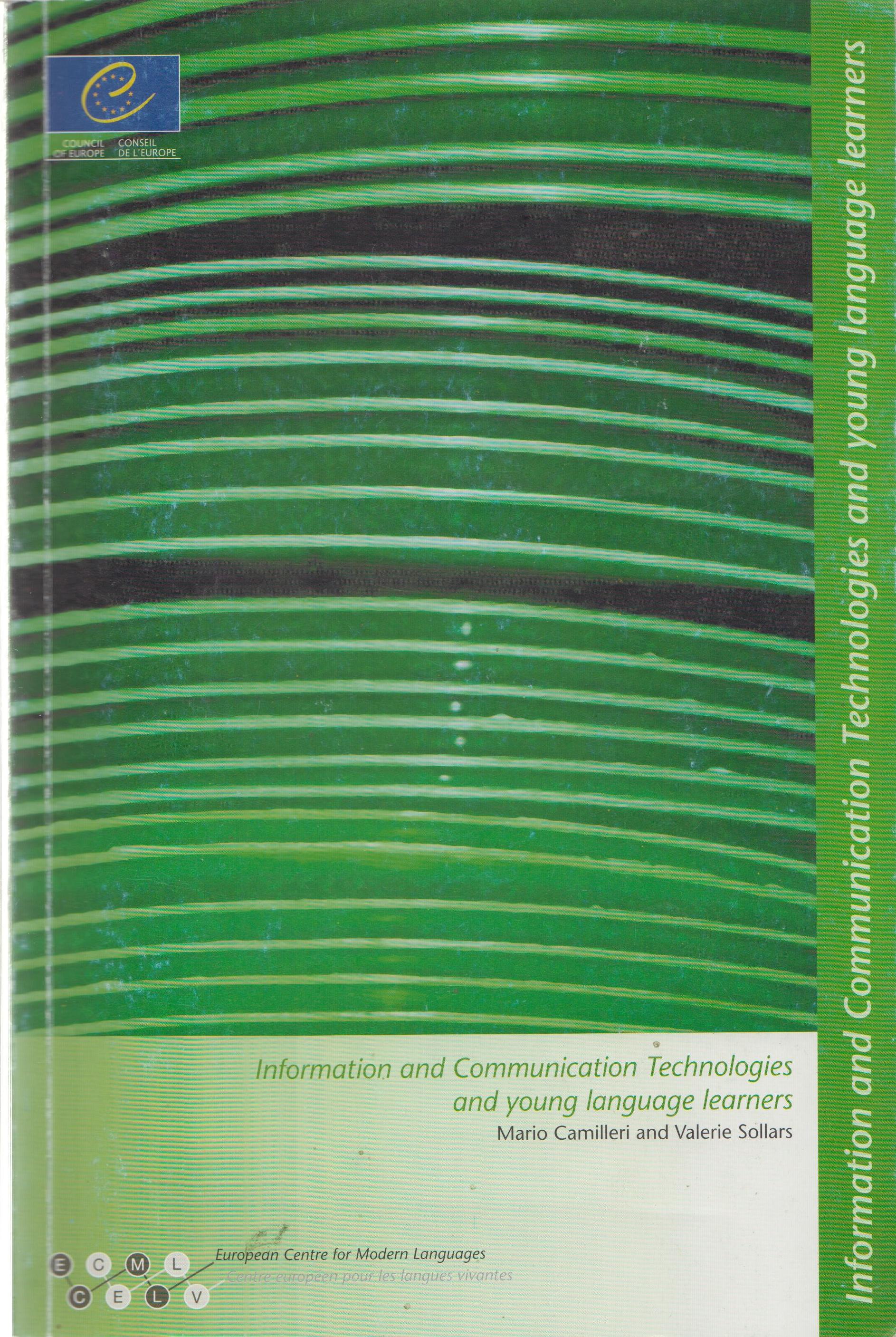
U dołu okładki: European Centre for Modern Languages. Centre européen pour les langues vivantes.
This publication describes a project, which aimed at integrating web-based communication with a thematic story approach to teaching a foreign language to 8 to 10 year-olds. The aim was to encourage the use of the World Wide Web as a medium over which children could publish their language productions to an audience of peers from participating schools in 21 European countries. The development of a "convivial" use unassisted to upload their stories and illustrations to the project web site, as well as a communicative pedagogy centred around the construction of publishable stories and other language artefacts.
1 placówka posiada w zbiorach tę pozycję. Rozwiń informację, by zobaczyć szczegóły.
Biblioteka Obcojęzyczna
Są egzemplarze dostępne do wypożyczenia: sygn. O 28464 (1 egz.)
Książka
W koszyku
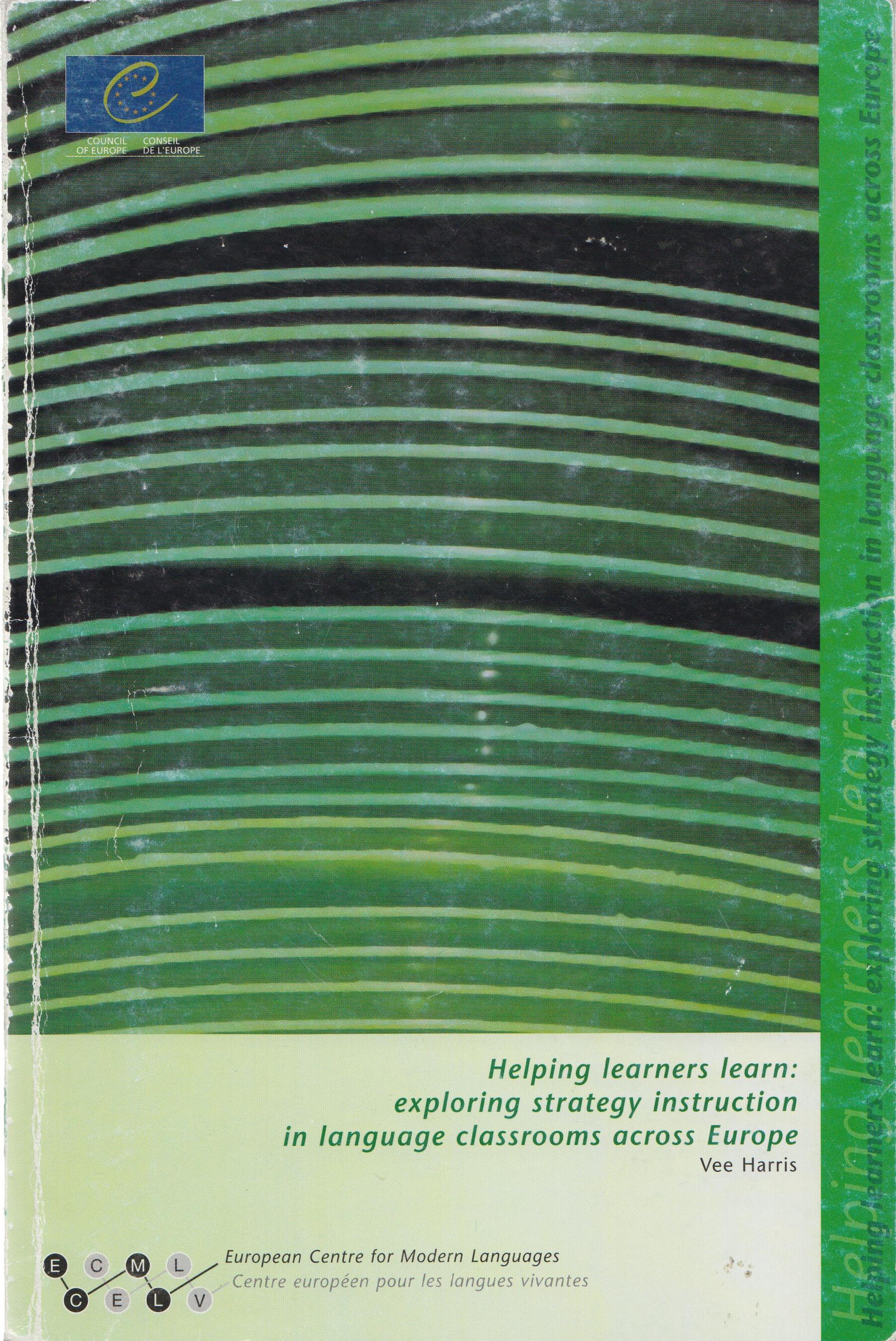
U dołu okładki: European Centre for Modern Languages. Centre européen pour les langues vivantes.
Bibliografia na stronach: 187-189.
This book provides a practical and theoretical guide to incorporating language learning strategies in second language learning and teaching. It presents the views of learners as well as the practical experiences of teachers involved, and considers how to deal with problems in strategy training. The importance of metacognition is emphasised throughout. The book is the result of a project by an international group of teachers supported by the European Centre for Modern Languages.
1 placówka posiada w zbiorach tę pozycję. Rozwiń informację, by zobaczyć szczegóły.
Biblioteka Obcojęzyczna
Są egzemplarze dostępne do wypożyczenia: sygn. O 28463 (1 egz.)
E-book
W koszyku
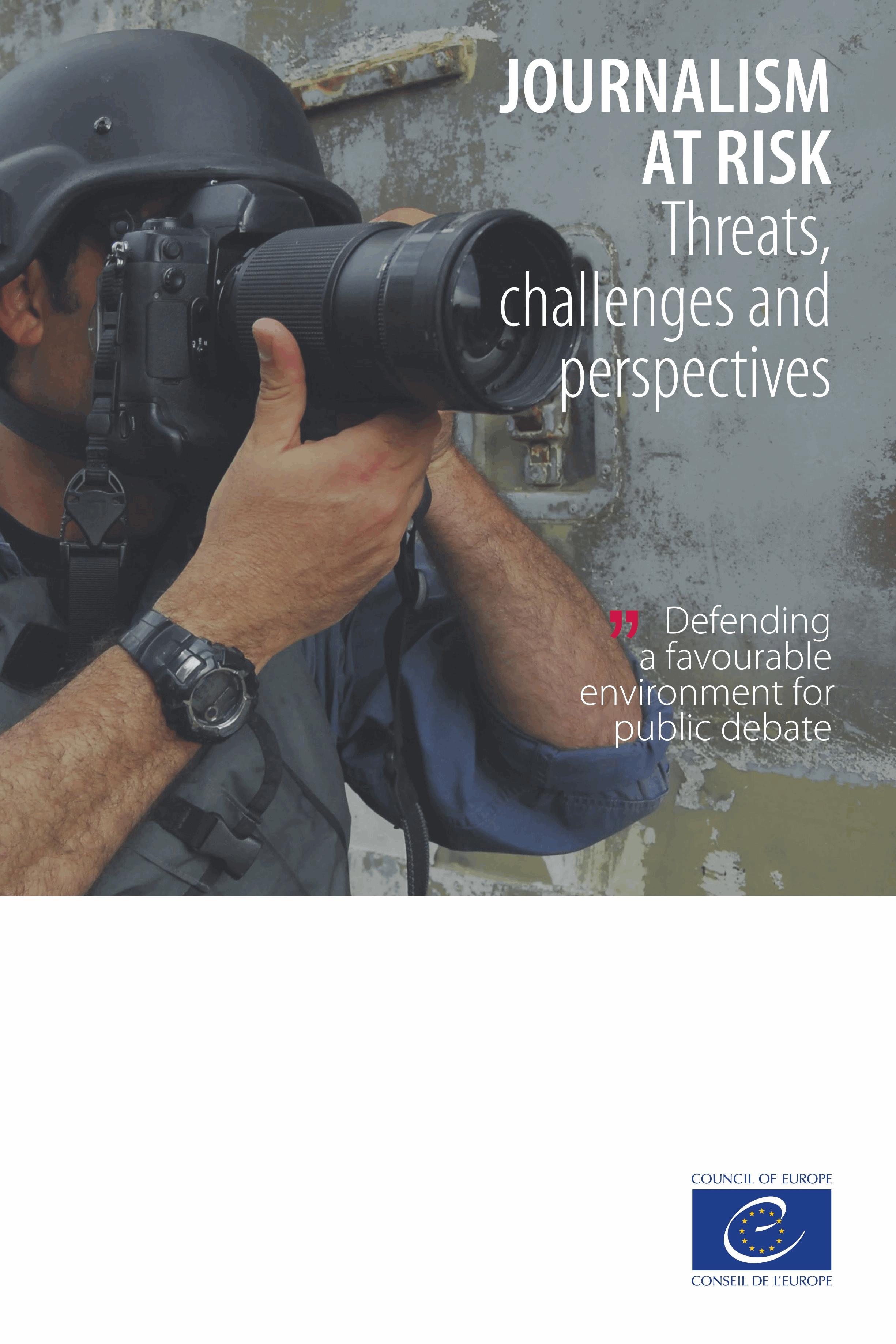
Is journalism under threat? Censorship, political pressure, intimidation, job insecurity and attacks on the protection of journalists’ sources - how can these threats be tackled?Journalism at Risk is a new book from the Council of Europe, in which ten experts from different backgrounds examine the role of journalism in democratic societies. Is journalism under threat? The image of journalists, as helmeted war correspondents protected by bullet-proof vests and armed only with cameras and microphones, springs to mind. Physical threats are only the most visible dangers, however. Journalists and journalism itself are facing other threats such as censorship, political and economic pressure, intimidation, job insecurity and attacks on the protection of journalists’ sources. Social media and digital photography mean that anyone can now publish information, which is also upsetting the ethics of journalism. How can these threats be tackled? What is the role of the Council of Europe, the European Court of Human Rights and national governments in protecting journalists and freedom of expression? In this book, 10 experts from different backgrounds analyse the situation from various angles. At a time when high-quality, independent journalism is more necessary than ever – and yet when the profession is facing many different challenges – they explore the issues surrounding the role of journalism in democratic societies.
Ta pozycja jest dostępna przez Internet. Rozwiń informację, by zobaczyć szczegóły.
Dostęp do treści elektronicznej wymaga posiadania kodu dostępu, który można odebrać w bibliotece.
E-book
W koszyku

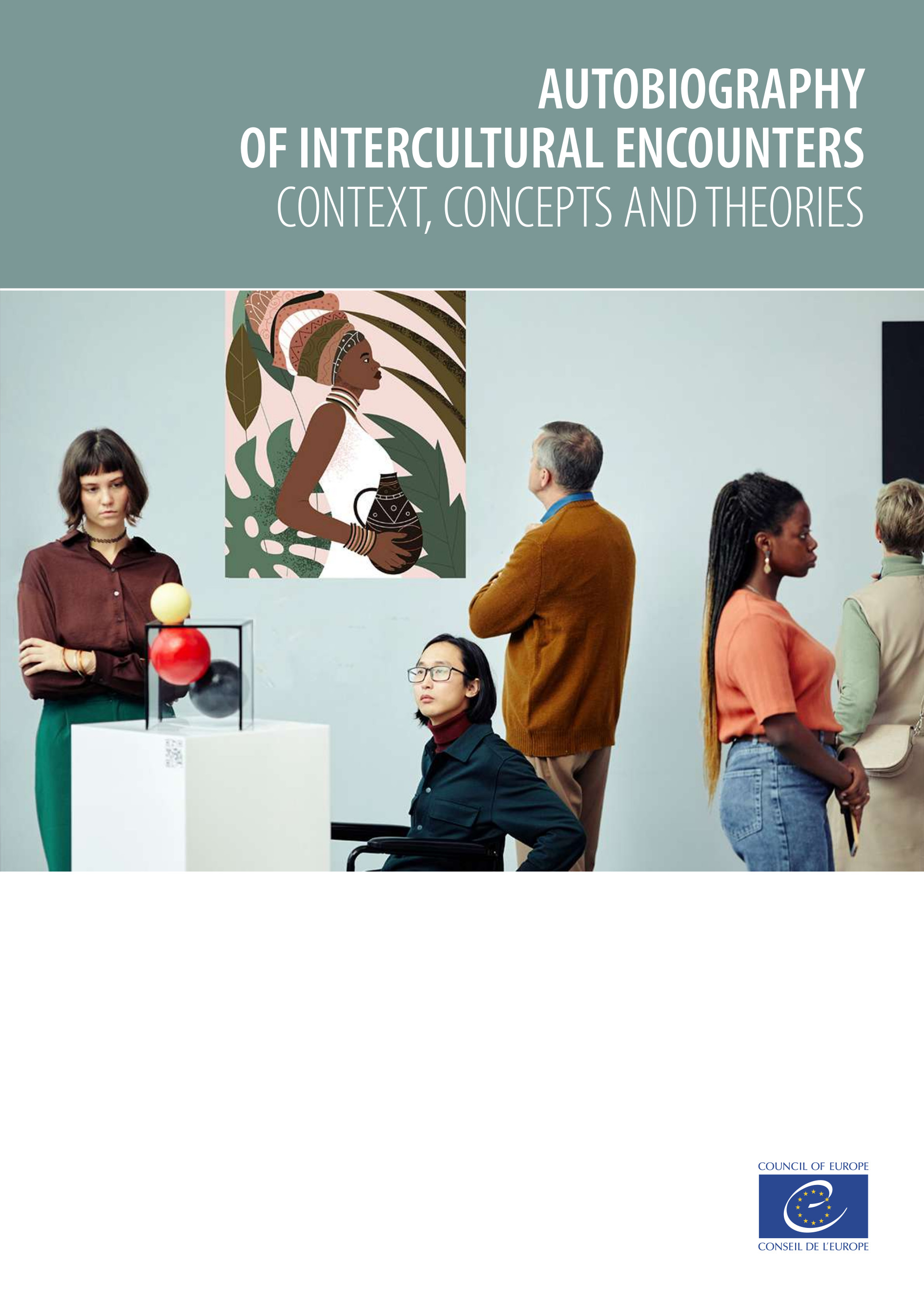
A tool for developing intercultural competence and facilitating the emergence of intercultural citizenship in those who use it.

In the contemporary world, encounters with people from other cultural backgrounds have become part of our everyday lives. These intercultural encounters may be used as an opportunity to learn about other cultures, to develop our capacities for effective and respectful communication, to think about our own cultural affiliations and to reflect on ways in which we might take action for the common good.

The Autobiography of intercultural encounters (AIE) is an educational resource that can be used by learners to achieve all of these outcomes. It supports learners in thinking about and learning from intercultural encounters that they have experienced either face to face, through visual media (such as television, films, magazines) or through the internet.

Revised and updated editions of the various versions of the AIE that have been developed can be found in three separate volumes which accompany the present volume. The present volume contains two accompanying papers, “Context, concepts and theories” and “Concepts for discussion”. The former discusses the policy context and conceptual and theoretical issues relating to intercultural encounters and is intended for readers who wish to understand the ideas that underlie the design of the AIE. The latter provides less technical discussions of key concepts related to culture, identity and intercultural encounters and can be used with learners in upper secondary education or the early years of higher education and in non-formal and informal education.

Ta pozycja jest dostępna przez Internet. Rozwiń informację, by zobaczyć szczegóły.
Dostęp do treści elektronicznej wymaga posiadania kodu dostępu, który można odebrać w bibliotece.
E-book
W koszyku

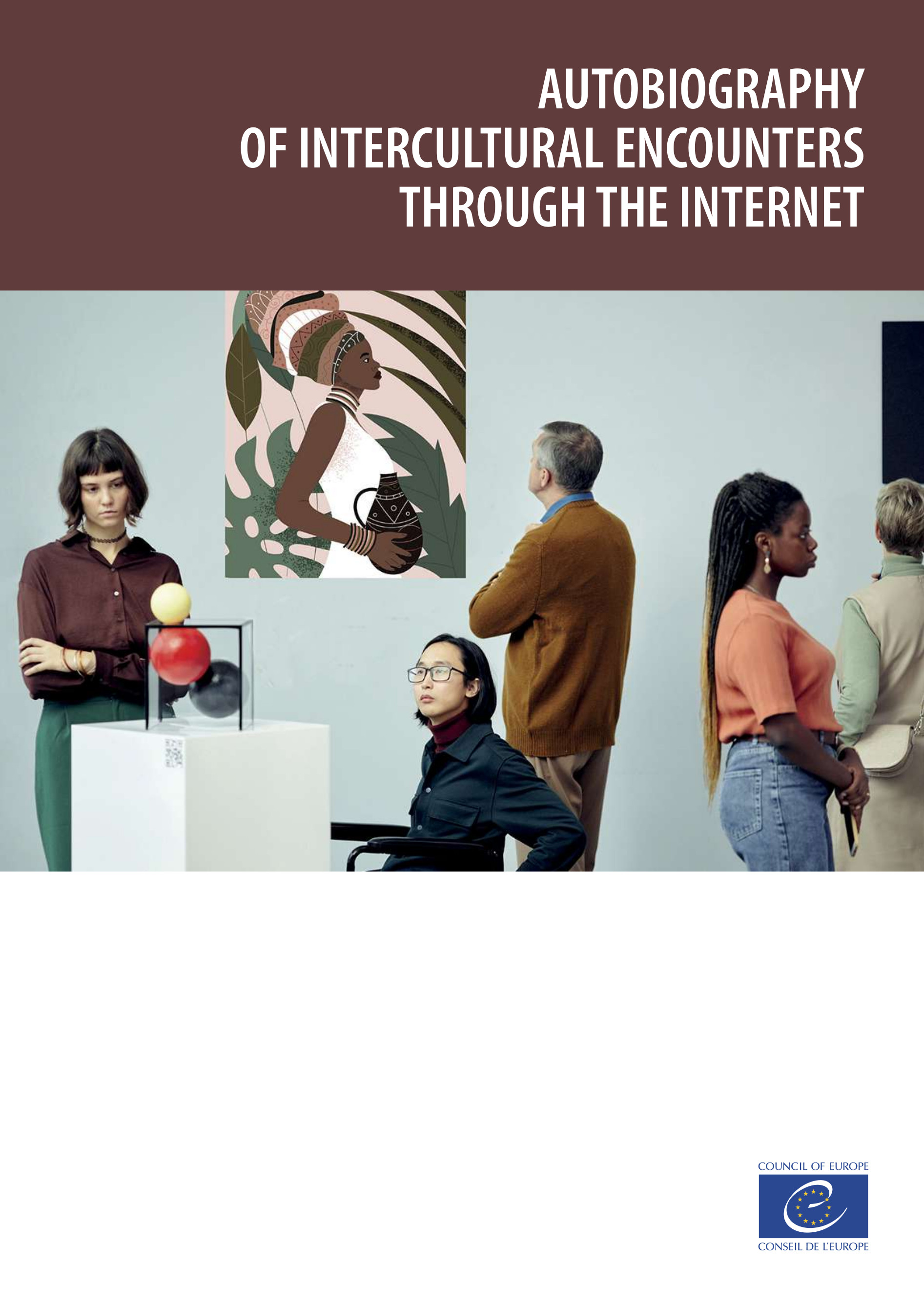
A guide to help you analyse a specific encounter you had with one or more people from another culture through an online interaction (for example, in a social network, forum or blog).In the contemporary world, encounters with people from other cultural backgrounds have become part of our everyday lives. These intercultural encounters may be used as an opportunity to learn about other cultures, to develop our capacities for effective and respectful communication, to think about our own cultural affiliations and to reflect on ways in which we might take action for the common good.

The Autobiography of intercultural encounters (AIE) is an educational resource that can be used by learners to achieve all of these outcomes. It supports learners in thinking about and learning from intercultural encounters that they have experienced either face to face, through visual media (such as television, films, magazines), or through the internet.

The present volume contains an updated and revised edition of the original Autobiography of intercultural encounters through the internet (AIETI), which supports learners’ reflections on intercultural encounters that take place through the internet. There are two versions of the AIETI: a standard version for those who can complete it on their own and a younger learners’ version for use by children who need support from an adult in thinking about intercultural encounters. Both versions are accompanied by notes for facilitators which explain in detail how the AIETI may be used. These new editions have been fully updated and aligned with the Council of Europe’s Reference Framework of Competences for Democratic Culture and may be used by educators and learners in primary, secondary and higher education and in non-formal and informal education.

Ta pozycja jest dostępna przez Internet. Rozwiń informację, by zobaczyć szczegóły.
Dostęp do treści elektronicznej wymaga posiadania kodu dostępu, który można odebrać w bibliotece.
E-book
W koszyku

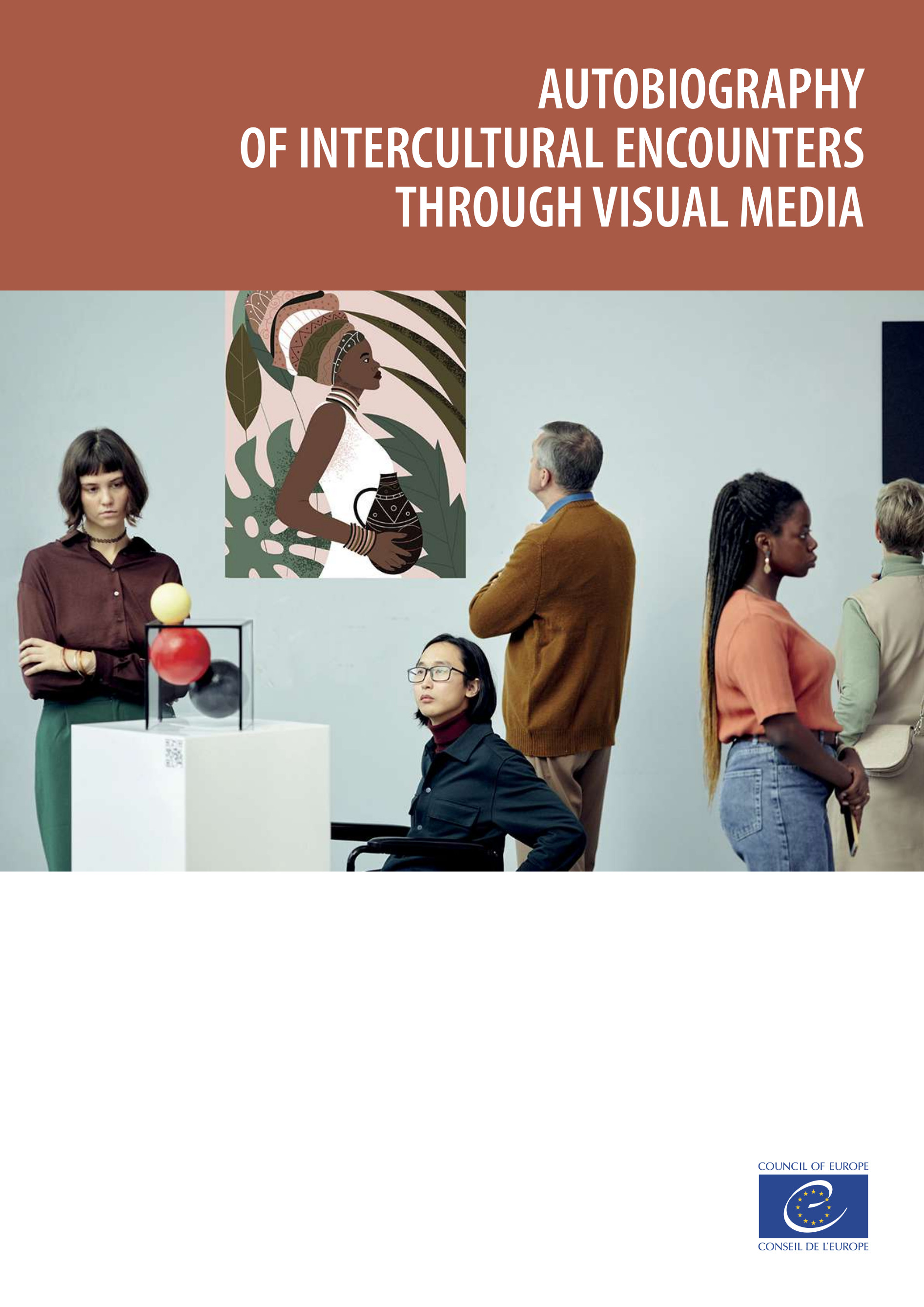
A guide to help analyse a specific image encountered in the media (e.g. on television, in a book, on the internet) that shows a person (or people) from another culture.In the contemporary world, encounters with people from other cultural backgrounds have become part of our everyday lives. These intercultural encounters may be used as an opportunity to learn about other cultures,to develop our capacities for effective and respectful communication, to think about our own cultural affiliations and to reflect on ways in which we might take action for the common good.

The Autobiography of intercultural encounters (AIE) is an educational resource that can be used by learners to achieve all of these outcomes. It supports learners in thinking about and learning from intercultural encounters that they have experienced either face to face, through visual media (such as television, films, magazines), or through the internet.The present volume contains an updated and revised edition of the original Autobiography of intercultural encounters through visual media (AIEVM), which supports learners’ reflections on intercultural encounters that take place through visual media. There are two versions of the AIEVM: a standard version for those who can complete it on their own, and a younger learners’ version for use by children who need support from an adult in thinking about intercultural encounters. Both versions are accompanied by notes for facilitators which explain in detail how the AIEVM may be used. These new editions have been fully updated and aligned with the Council of Europe’s Reference Framework of Competences for Democratic Culture and may be usedby educators and learners in primary, secondary and higher education and in non-formal and informal education.

Ta pozycja jest dostępna przez Internet. Rozwiń informację, by zobaczyć szczegóły.
Dostęp do treści elektronicznej wymaga posiadania kodu dostępu, który można odebrać w bibliotece.
E-book
W koszyku

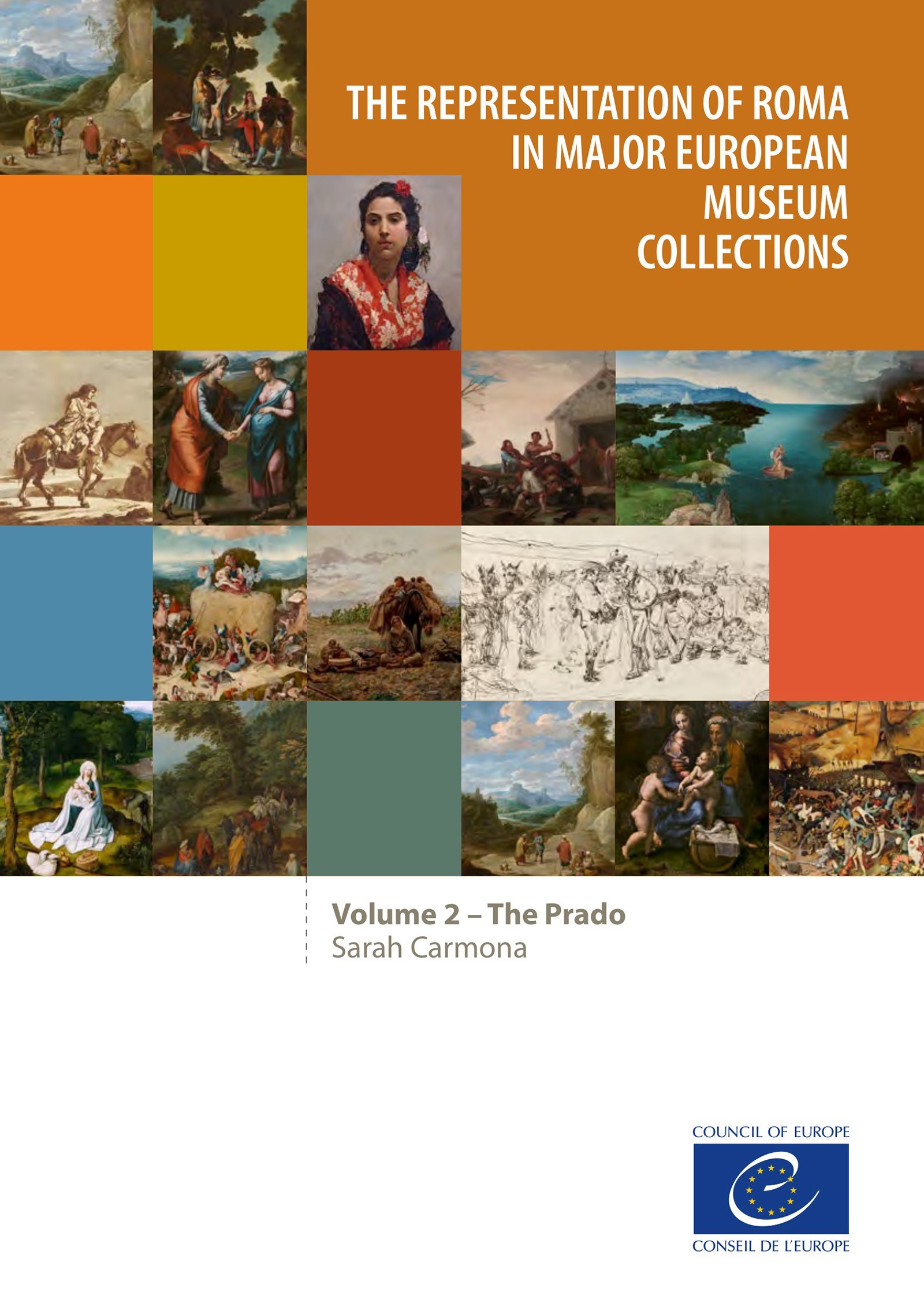
What do works of art teach us from their period of creation? What do they teach us about human interaction, about social groups?

The Council of Europe is a key player in the fight to respect the rights and equal treatment of Roma and Travellers. As such, it implements various actions aimed at combating discrimination: facilitating the access of Roma and Travellers to public services and justice; giving visibility to their history, culture and languages; and ensuring their participation in the different levels of decision making.

Another aspect of the Council of Europe’s work is to improve the wider public’s understanding of Roma and their place in Europe. Knowing and understanding Roma and Travellers, their customs, their professions, their history, their migration and the laws affecting them are indispensable elements for interpreting the situation of Roma and Travellers today and understanding the discrimination they face.

This publication focuses on what the works exhibited at the Prado Museum tell us about the place and perception of Roma in Europe from the 15th to the 19th centuries.Students aged 12 to 18, teachers, and any other visitor to the Prado interested in this theme, will find detailed worksheets on 15 paintings representing Roma and Travellers and a booklet to foster reflection on the works and their context, while creating links with our contemporary perception of Roma and Travellers in today’s society.

Ta pozycja jest dostępna przez Internet. Rozwiń informację, by zobaczyć szczegóły.
Dostęp do treści elektronicznej wymaga posiadania kodu dostępu, który można odebrać w bibliotece.
E-book
W koszyku
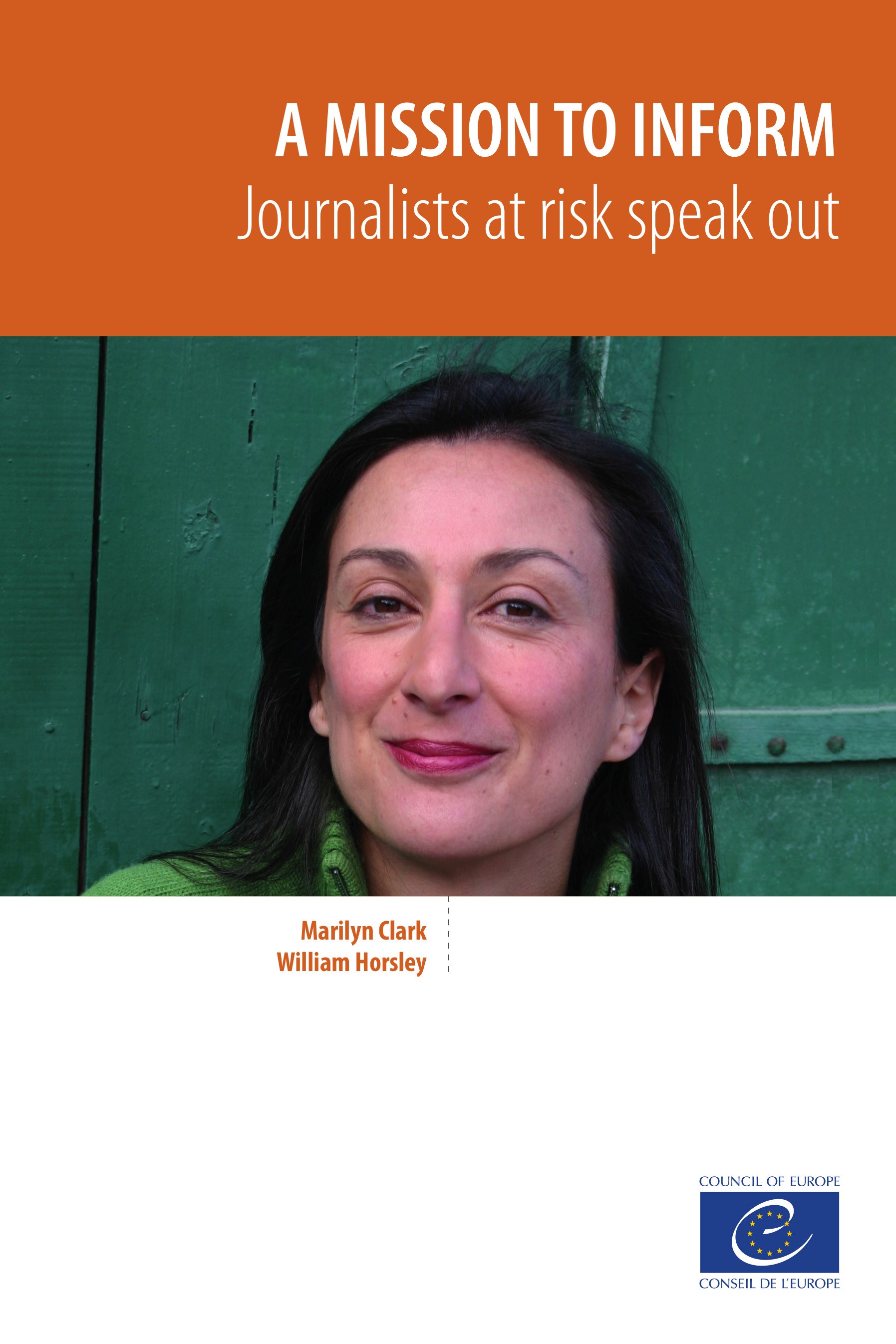
Police intimidation, legal harassment, defamation and intimidation campaigns offline and increasingly online, pressure - economic or otherwise - from editors or media owners and sponsors, detentions, threats and physical violence: journalists are constantly exposed to these threats by those who feel threatened by their work. The murder of investigative journalist Daphne Caruana Galizia in October 2017 sent shock waves through Europe. Violence and acts of harassment against journalists have become alarmingly frequent, as was laid bare in the Council of Europe’s 2017 survey of 940 journalists across the continent. This follow-up study is about the human cost to journalists who seek to hold the powerful to account. It is based on in-depth interviews with 20 journalists who use their reporting skills to expose corruption, injustice and abuses, often putting their safety at risk. They share their insights into the realities of practising cutting-edge journalism while facing aggression, intimidation and vicious cyber-attacks. Too often the necessary protections fail and crimes against journalists go unpunished. The freedom of the media to report without censorship or fear of reprisals is an essential pre-condition of democratic societies. This study represents a call for action to the 47 member states of the Council of Europe, with practical and forward-looking recommendations for ways to establish effective protection for journalists to enable them to safely fulfil their vital public watchdog role.
Ta pozycja jest dostępna przez Internet. Rozwiń informację, by zobaczyć szczegóły.
Dostęp do treści elektronicznej wymaga posiadania kodu dostępu, który można odebrać w bibliotece.
E-book
W koszyku
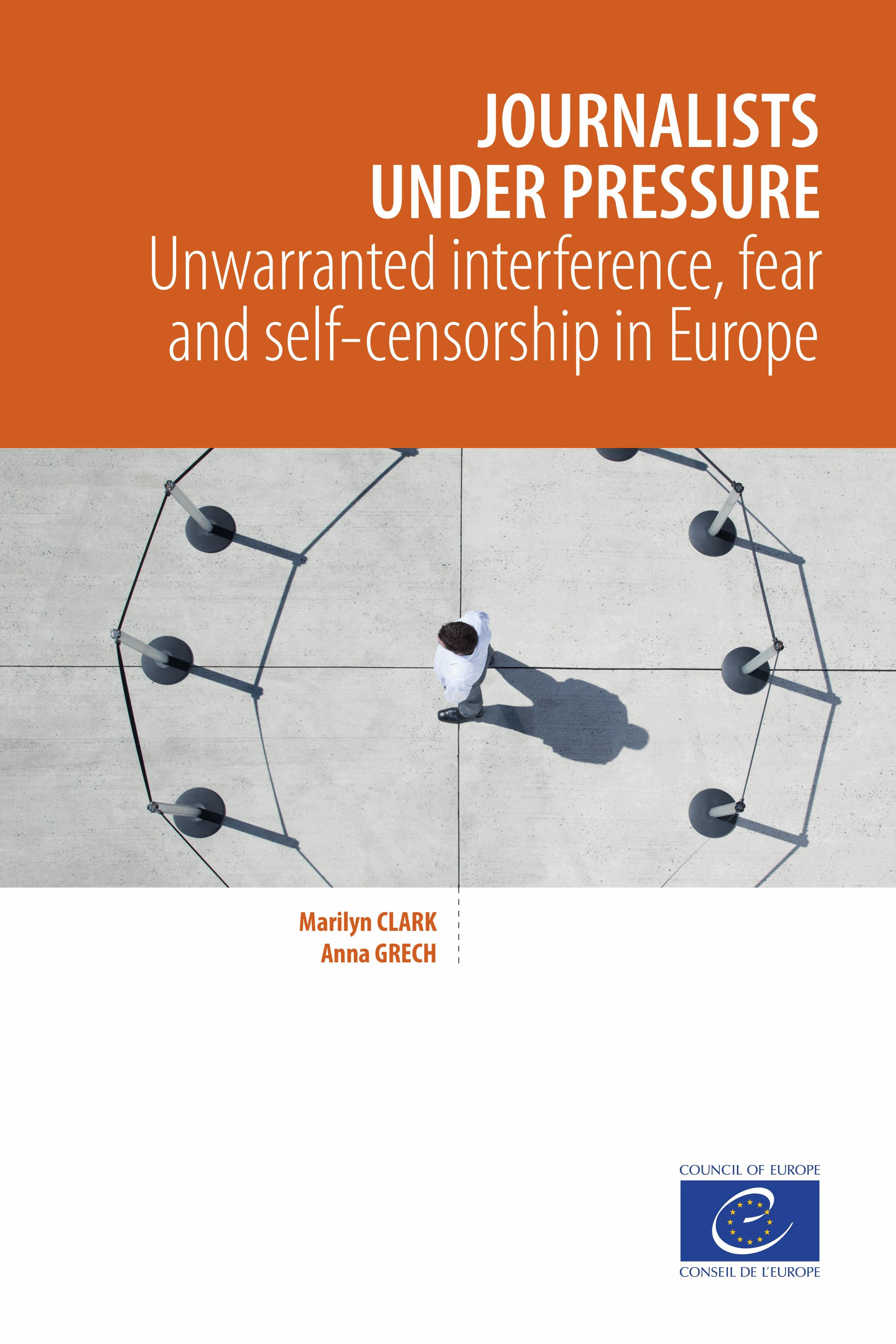
Freedom of expression is one of the basic conditions for the progress of society. Without safeguards for the safety of journalists there can be no free media. Journalists are under threat in Europe. Different forms of violence against journalists have increased significantly over the last decade: from physical attacks, to intimidation and harassment, targeted surveillance and cyberbullying, we now see a range of tactics deployed to silence critical voices and free speech. Together with impunity for the perpetrators of unwarranted interference on journalists, these are among the most serious challenges facing media freedom today. Self-censorship is hardly surprising in such circumstances. This study, conducted among almost 1 000 journalists and other news providers in the 47 Council of Europe member states and Belarus, sheds new light on how these issues impact on journalists’ behaviour. The results of the study provide quantitative evidence on such unwarranted interference, fear and how this relates to consequent self-censorship. These striking results confirm the urgent need for member states to fully implement Recommendation CM/Rec(2016)4 on the protection of journalism and safety of journalists and other media actors, and represent an essential and reliable tool for strategic planning in this field to guarantee freedom of expression.
Ta pozycja jest dostępna przez Internet. Rozwiń informację, by zobaczyć szczegóły.
Dostęp do treści elektronicznej wymaga posiadania kodu dostępu, który można odebrać w bibliotece.
E-book
W koszyku
Forma i typ
Le bon fonctionnement de toute démocratie dépend de l’inclusion et de l’intégration sociales qui, à leur tour, dépendent de la compréhension, du respect et de l’engagement à l’égard de la diversité linguistique et culturelle. Le Conseil de l’Europe préconise l’éducation plurilingue et interculturelle en tant que moyen d’atteindre ces objectifs. Cette recommandation s’appuie sur des documents antérieurs du Conseil de l’Europe pour définir les concepts clés, qui sous-tendent l’éducation plurilingue et interculturelle, et établit une liste exhaustive de mesures que les États membres sont invités à prendre. Tout en reconnaissant que la pleine mise en oeuvre de ces mesures nécessitera de nombreuses années de travail, la recommandation souligne que beaucoup de réalisations sont possibles à court terme dans les cadres politiques existants. Avec son exposé des motifs, cette recommandation est un texte clé pour les responsables de l’élaboration des politiques, des curriculums, du personnel enseignant, des professionnels chargés de la formation des enseignant·e·s, ainsi que pour les auteur·e·s de manuels scolaires, les organismes d’examen, les organisations de parents, les associations éducatives et les dirigeant·e·s de la société civile.
Ta pozycja jest dostępna przez Internet. Rozwiń informację, by zobaczyć szczegóły.
Dostęp do treści elektronicznej wymaga posiadania kodu dostępu, który można odebrać w bibliotece.
E-book
W koszyku
Forma i typ
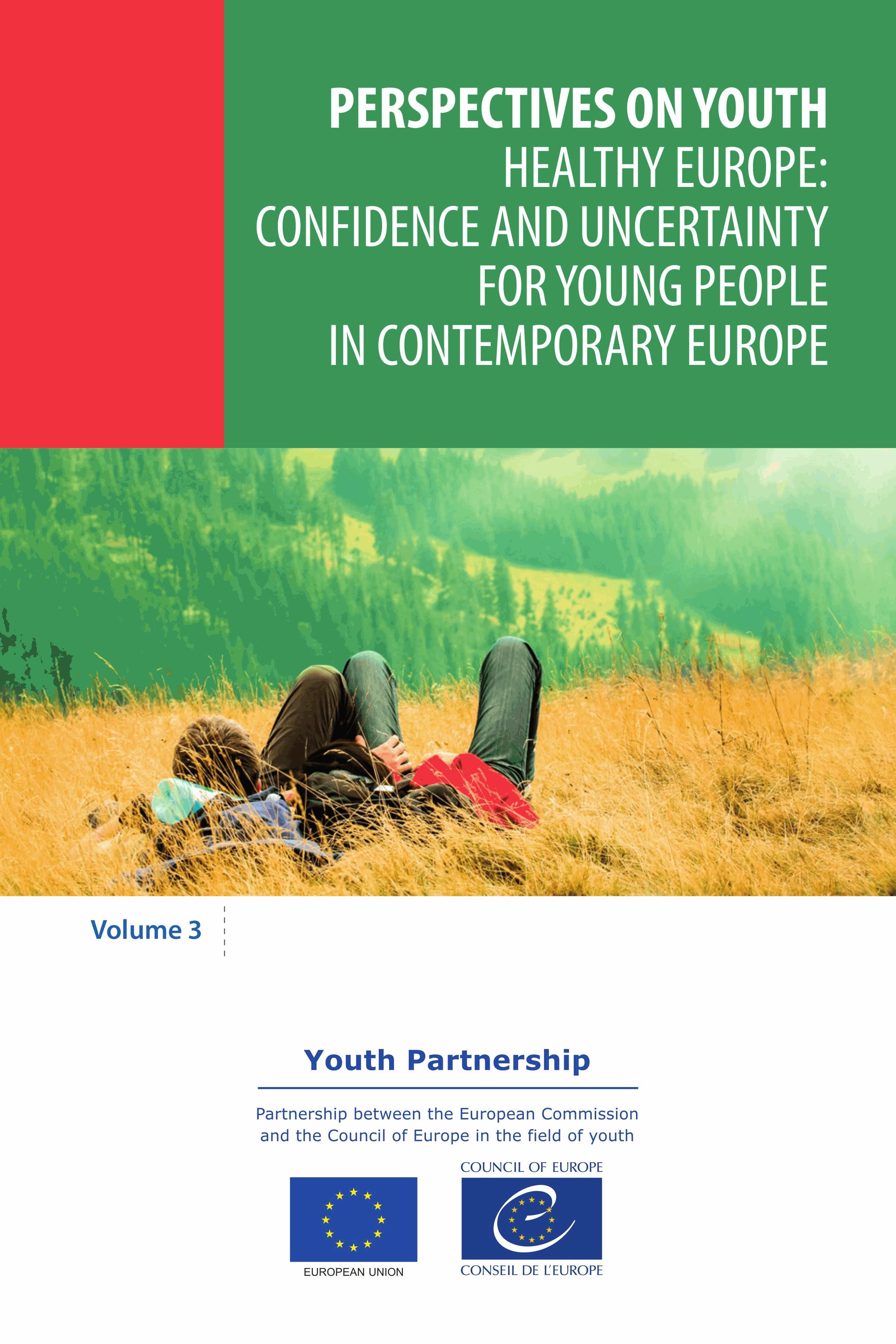
What is it like to be young in a Europe faced with conflict and austerity? Volume 3 of the series Perspectives on youth focuses on “healthy Europe”, not just in the narrow sense, but in the broader sense of what it is like to be young in a Europe faced with conflict and austerity, and what it feels like to be young as transitions become ever more challenging. The assumption when planning this issue was that health in this broader sense remains a controversial area within youth policy, where the points of departure of policy makers, on the one hand, and young people themselves on the other are often dramatically different; in fact, young people tend to interpret the dominating discourse as limiting, patronising, maybe even offensive. The question of health brings the old tensions between protection and participation as well as agency and structure to the forefront. Not all questions are addressed in detail but many are touched upon. It is, intentionally, an eclectic mix of contributions, to provide a diversity of argumentation and to promote reflection and debate. As has been the intention of Perspectives on youth throughout, we have sought to solicit and elicit the views of academics, policy makers and practitioners, presenting theoretical, empirical and hypothetical assertions and analysis. Perspectives on youth is published by the partnership between the European Union and the Council of Europe in the field of youth in co-operation with, and with support from, four countries: Belgium, Finland, France and Germany. Its purpose is to keep the dialogue on key problems of child and youth policies on a solid foundation in terms of content, expertise and politics. The series aims to act as a forum for information, discussion, reflection and dialogue on European developments and trends in the field of youth policy, youth research and youth work while promoting a policy and youth work practice that is based on knowledge and participatory principles. The editorial team of this volume is composed of 12 members representing the supporting countries, the Pool of European Youth Researchers (PEYR), the co-ordinator of the youth policy reviews of the Council of Europe, the EU-Council of Europe youth partnership and the co‑ordinator of the editorial team.
Ta pozycja jest dostępna przez Internet. Rozwiń informację, by zobaczyć szczegóły.
Dostęp do treści elektronicznej wymaga posiadania kodu dostępu, który można odebrać w bibliotece.
E-book
W koszyku
Forma i typ
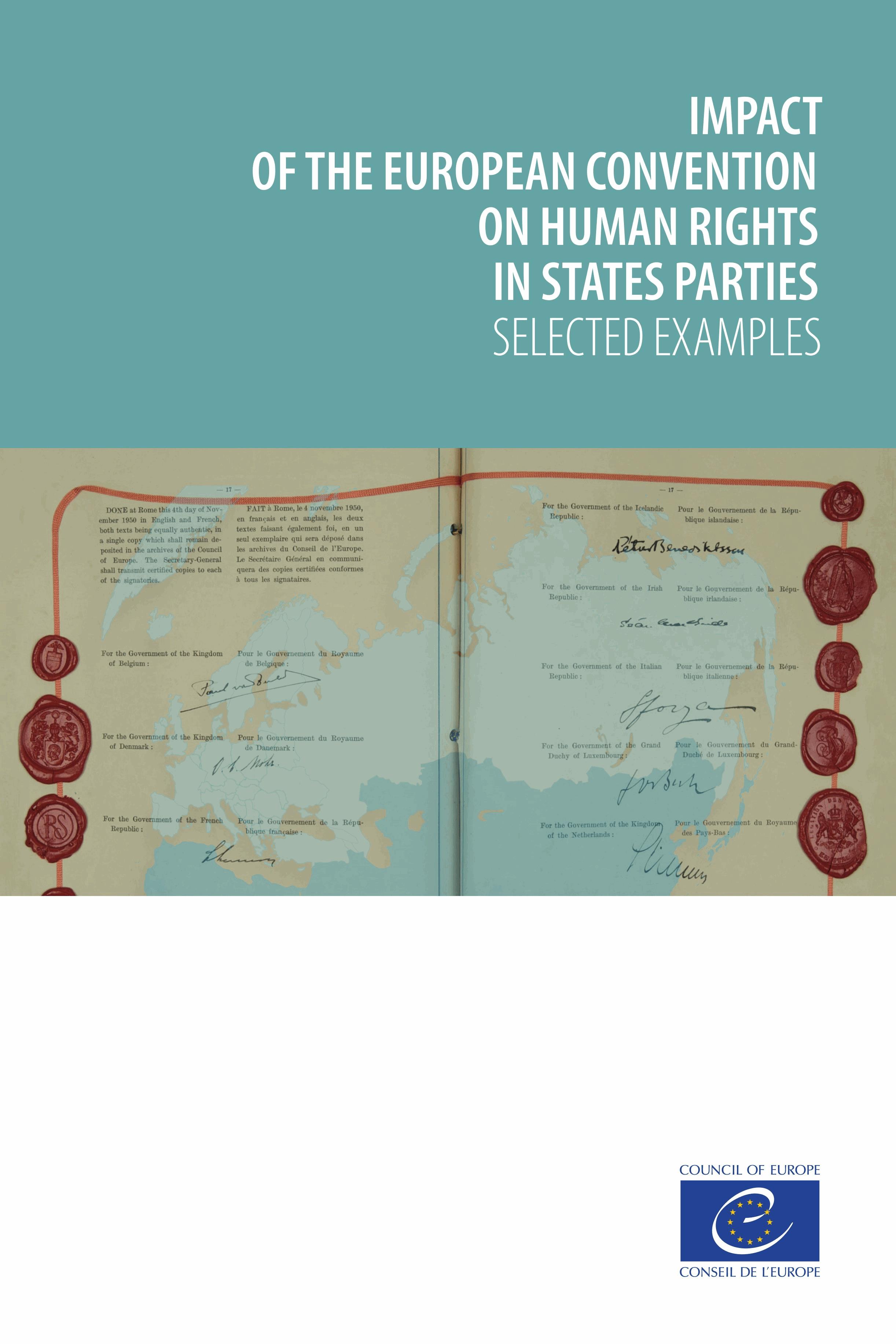
What positive impact has the European Convention on Human Rights had upon states parties to the Convention? The examples presented in this publication show that the effects of the Convention and its case law extend to all areas of life. They include, but are not limited to, individuals’ access to justice, the prohibition of discrimination, property rights, family law issues such as custody rights, the prevention and punishment of acts of torture, the protection of victims of domestic violence, the privacy of individuals in their correspondence and sexual relations, and the protection of religious freedoms and freedoms of expression and association. This publication contains selected examples from all 47 states parties to the Convention that illustrate how the protection of human rights and fundamental freedoms has been strengthened at the domestic level thanks to the Convention and the Strasbourg Court’s case law.
Ta pozycja jest dostępna przez Internet. Rozwiń informację, by zobaczyć szczegóły.
Dostęp do treści elektronicznej wymaga posiadania kodu dostępu, który można odebrać w bibliotece.
E-book
W koszyku
Forma i typ
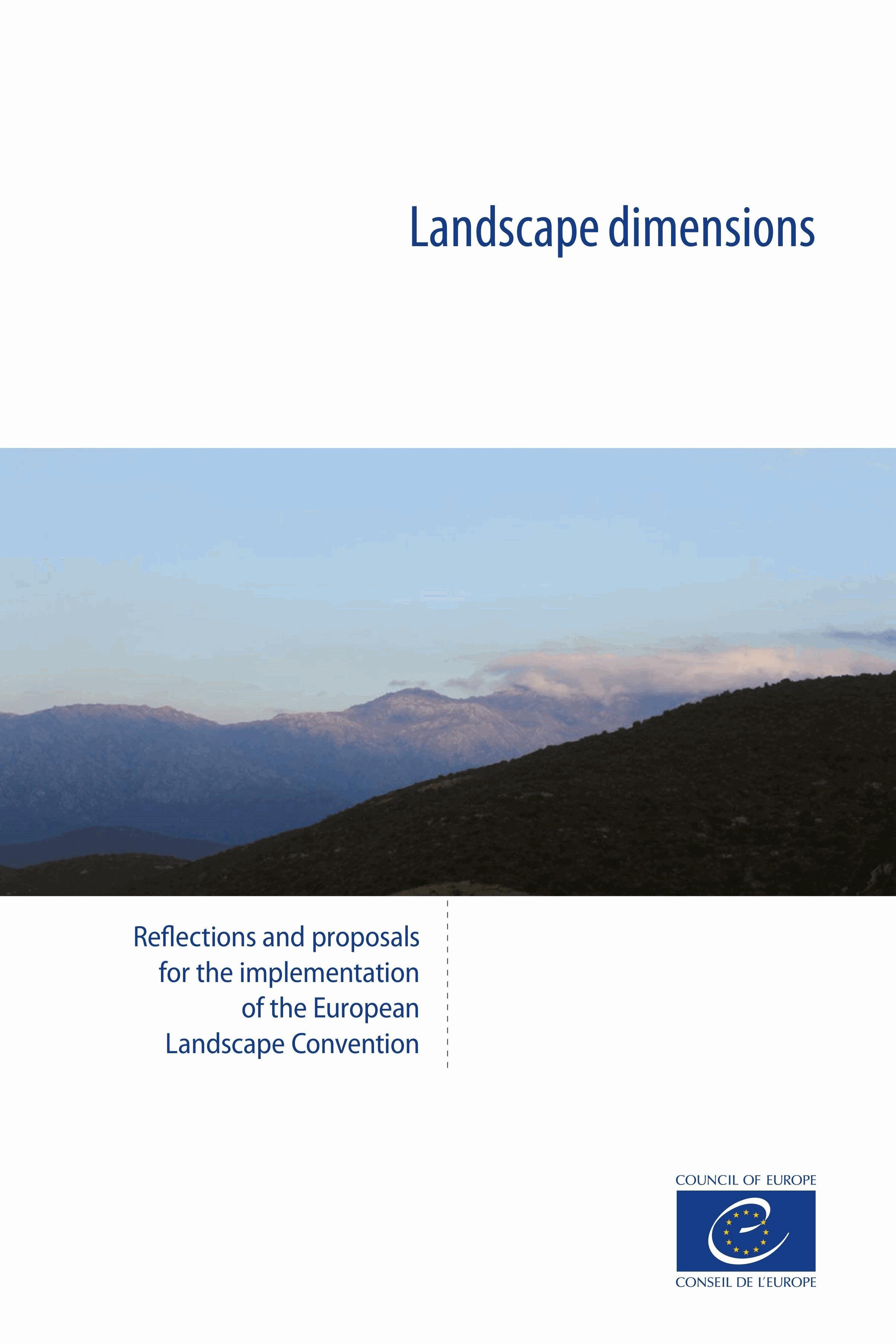
As a key element of individual and social well-being and quality of life, landscape plays an important part in human fulfilment and in reinforcement of European identity. Adopted under the auspices of the Council of Europe, the European Landscape Convention aims to promote the protection, management and planning of landscapes, and to organise international co-operation in this field. It applies to the entire territory of the contracting parties and covers natural, rural, urban and peri-urban areas. It concerns landscapes considered outstanding, as well as everyday or degraded areas. Certain “dimensions” of the landscape are presented in this publication, which addresses key issues for its future, including democracy, education, economy, leisure and advertising. Landscape management processes – and even the term “landscape” itself – are also analysed. This book forms part of a process of reflection on the major themes concerning the living environment.
Ta pozycja jest dostępna przez Internet. Rozwiń informację, by zobaczyć szczegóły.
Dostęp do treści elektronicznej wymaga posiadania kodu dostępu, który można odebrać w bibliotece.
E-book
W koszyku
Forma i typ
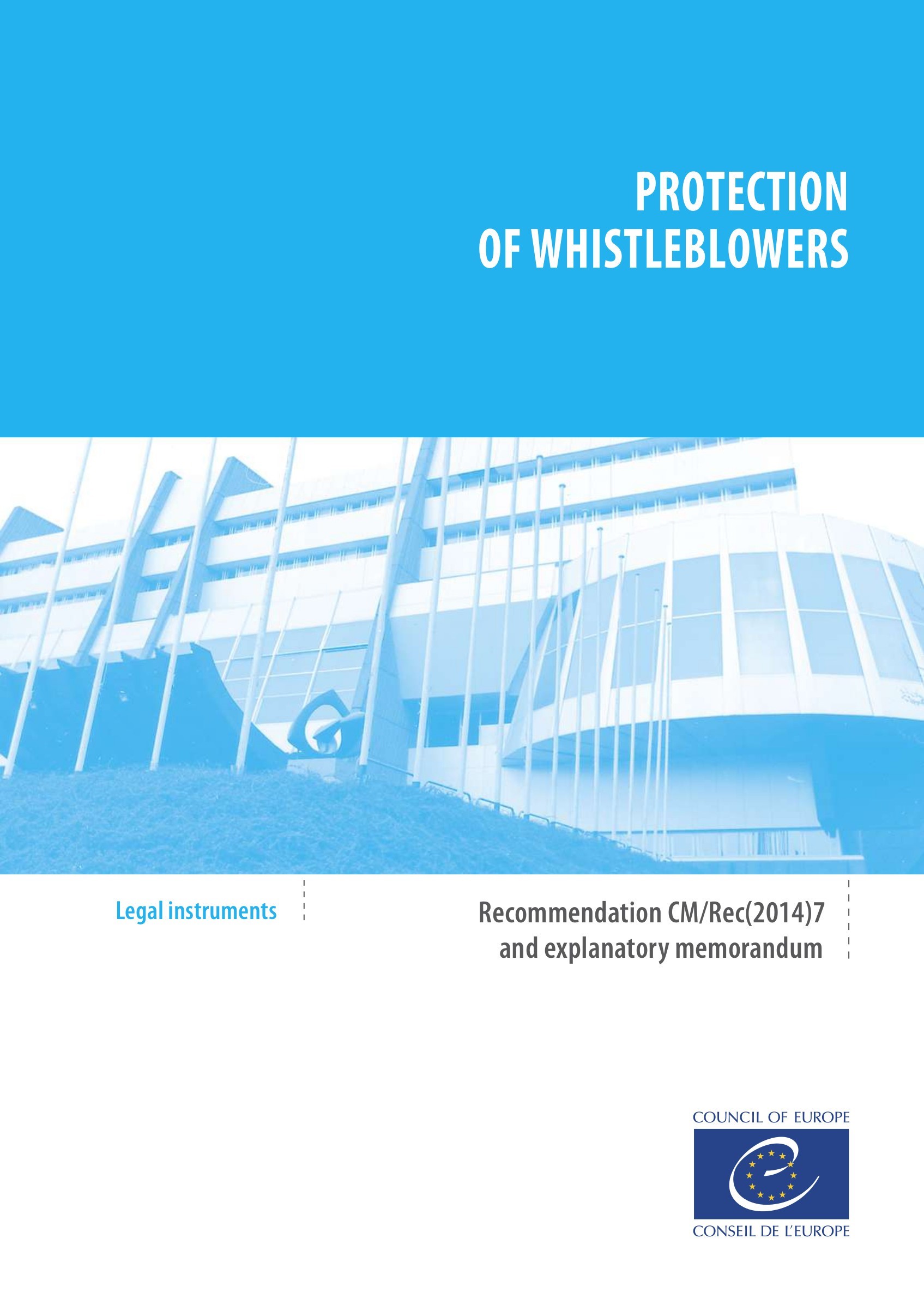
Recommendation CM/Rec(2014)7 on the protection of whistleblowers encourages member states of the Council of Europe to have in place a normative, institutional and judicial framework that protects the rights and interests of individuals who, in the context of their workbased relationship, report or disclose information on threats or harm to the public interest. A series of principles is set out in the appendix to the recommendation to guide member states when introducing legislation and regulations or, where required, making amendments.
Ta pozycja jest dostępna przez Internet. Rozwiń informację, by zobaczyć szczegóły.
Dostęp do treści elektronicznej wymaga posiadania kodu dostępu, który można odebrać w bibliotece.
E-book
W koszyku
Forma i typ
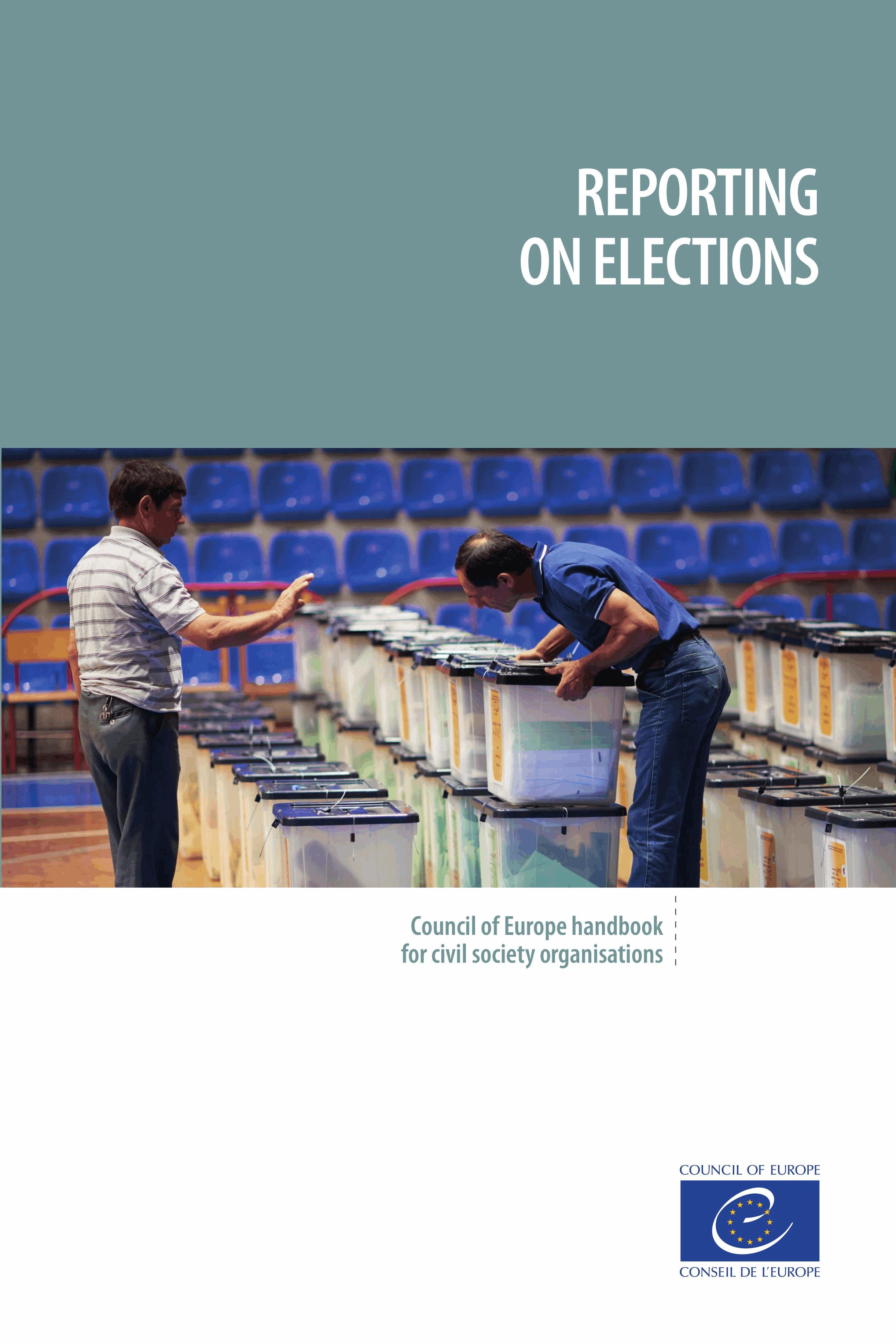
Elections are a pre-condition for democratic governance since it is through them that the citizens of a country choose freely, and on the basis of the law, the persons that can legitimately govern in their name and in their interest. The right to free elections, as enshrined in the Article 3 of the Protocol to the European Convention on Human Rights, is a “fundamental principle in a truly democratic political regime”. It comprises a series of safeguards and procedures that ensure respect for active and passive electoral rights and the conduct of genuine free and fair elections. Civil society has a distinct role to play since it observes the electoral process and contributes to the development of national electoral procedures through advice and recommendations. The Council of Europe handbook Reporting on elections aims to help observers become more efficient and to produce more effective reports, specifically focusing on the reporting of core team members. At the same time, it also covers the reporting of long- and short-term observers. It deals mainly with final election reports and reports/statements on preliminary findings, while also providing insight into interim reports and ideas for ad hoc reports and press releases, in addition to tips on how to follow up on recommendations.
Ta pozycja jest dostępna przez Internet. Rozwiń informację, by zobaczyć szczegóły.
Dostęp do treści elektronicznej wymaga posiadania kodu dostępu, który można odebrać w bibliotece.
E-book
W koszyku
Forma i typ
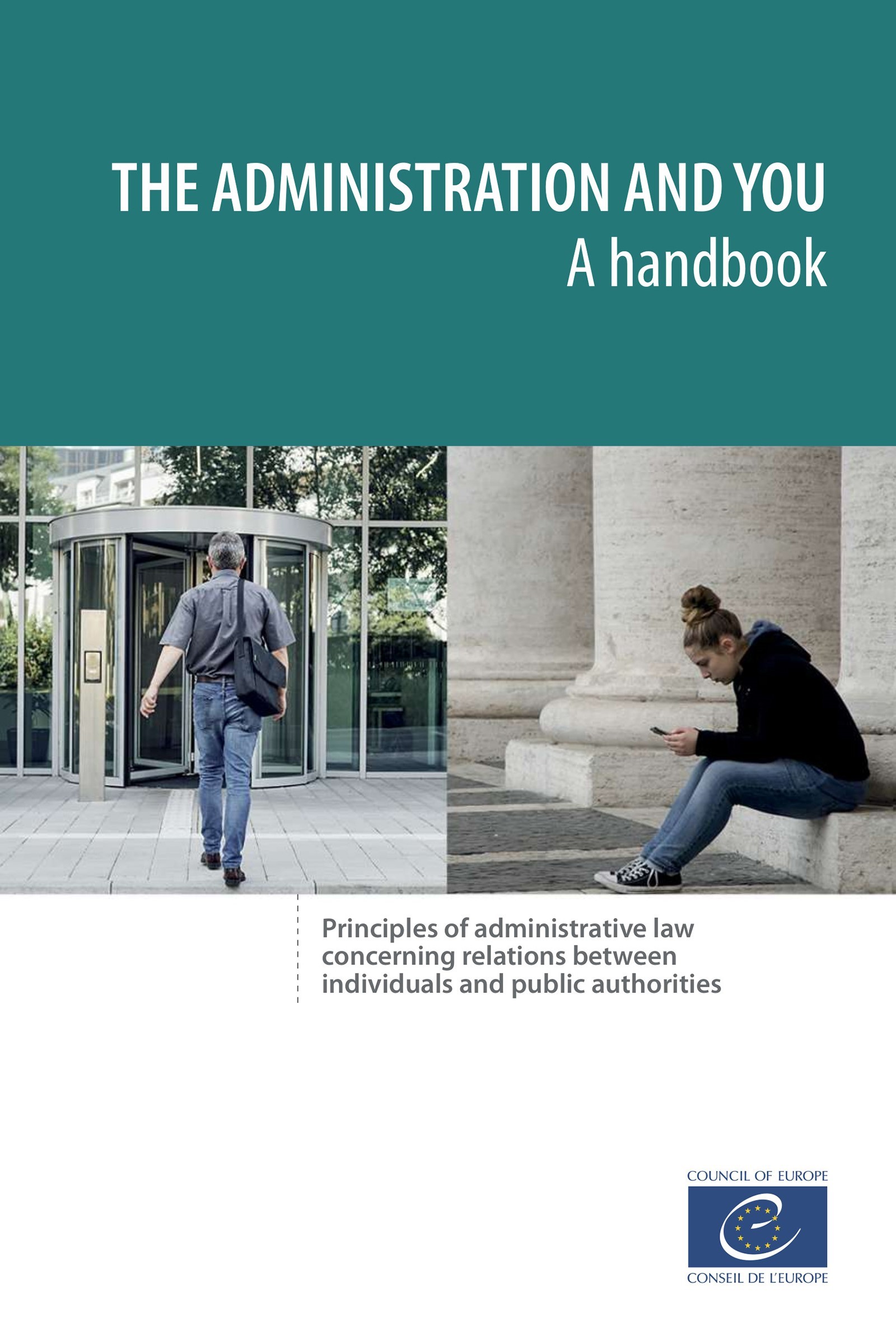
The public administration is above all for us, the protection of our rights and the pursuit of the public good. This handbook will be of interest to all those concerned with the proper functioning of public administration: individuals who apply for public services and action and the public officials who process their applications; lawyers, judges and ombudspersons involved in the review of the public administration’s activities; and policy makers and legislators concerned with public administration reform. It sets out and explains the substantive and procedural principles of administrative law concerning relations between individuals and public authorities, with commentary backed up by references to the Council of Europe legal instruments (conventions, recommendations and resolutions) from which each principle is drawn and to the relevant case law of the European Court of Human Rights.
Ta pozycja jest dostępna przez Internet. Rozwiń informację, by zobaczyć szczegóły.
Dostęp do treści elektronicznej wymaga posiadania kodu dostępu, który można odebrać w bibliotece.
Pozycja została dodana do koszyka. Jeśli nie wiesz, do czego służy koszyk, kliknij tutaj, aby poznać szczegóły.
Nie pokazuj tego więcej